
A practical guide to preparing a Nissan for the drive from Orangeburg to Charleston on I-26 in October. Learn what to check on tires, battery, fluids, lights, brakes, and belts before leaving, why fall temperature swings and highway conditions make these inspections critical, and how to complete a pre-trip checklist in under 20 minutes.
October is the best month to make the drive down I-26 to Charleston. The heat breaks, the sky goes that deep Carolina blue, and the Holy City is genuinely beautiful. It's also the month our service team sees tires come in 3 to 4 PSI low on vehicles that were perfectly fine two weeks ago, because the overnight temperature swings this time of year are real. The connection's easy to miss until the TPMS light shows up on the bridge.
Book a pre-trip inspection with our service team before you leave Orangeburg, and you'll roll into Charleston without a second thought. Here's what we check.
What Goes on the Checklist?
The checklist below is the print-and-carry version we run at the counter, and it works best the morning before you leave, with the tires cold and the car parked at least three hours so the pressure numbers come out honest.
Tires
- [ ] Check PSI against the door-jamb placard (not the sidewall number)
- [ ] Inspect tread depth: a quarter inserted head-down into the groove should hide Washington's head
- [ ] Look for cracking, bulging, or uneven wear on all four tires
- [ ] Check the spare. Pressure and condition
Battery
- [ ] Inspect terminals for white or greenish corrosion
- [ ] Test if the battery is three or more years old or cranking has felt slow lately
Fluids
- [ ] Engine oil level and color (dark and gritty means it's due)
- [ ] Coolant reservoir between MIN and MAX lines
- [ ] Brake fluid reservoir. Level and color
- [ ] Windshield washer fluid topped off
Lights and Visibility
- [ ] Headlights (low and high beam), brake lights, turn signals, hazards
- [ ] Wiper blades. Streak-free on a wet windshield
- [ ] Cabin air filter (if air quality or airflow seems off)
Belts, Hoses, and Brakes
- [ ] Serpentine belt: look for cracking, fraying, or glazing
- [ ] Coolant hoses: no swelling or soft spots
- [ ] Brake pedal feel: firm, not spongy; no grinding or pulling on a straight road
Documents and Emergency Kit
- [ ] Registration and insurance card in the car
- [ ] Phone charger and a backup power bank
- [ ] Jumper cables or a jump-start pack
Why These Items Matter for This Specific Drive
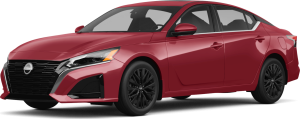
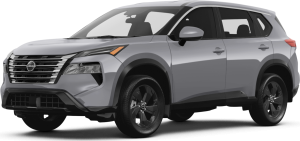
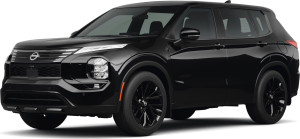
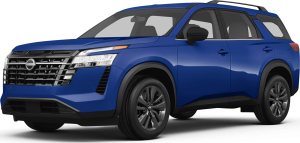
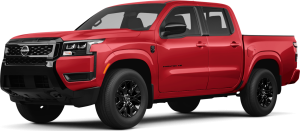
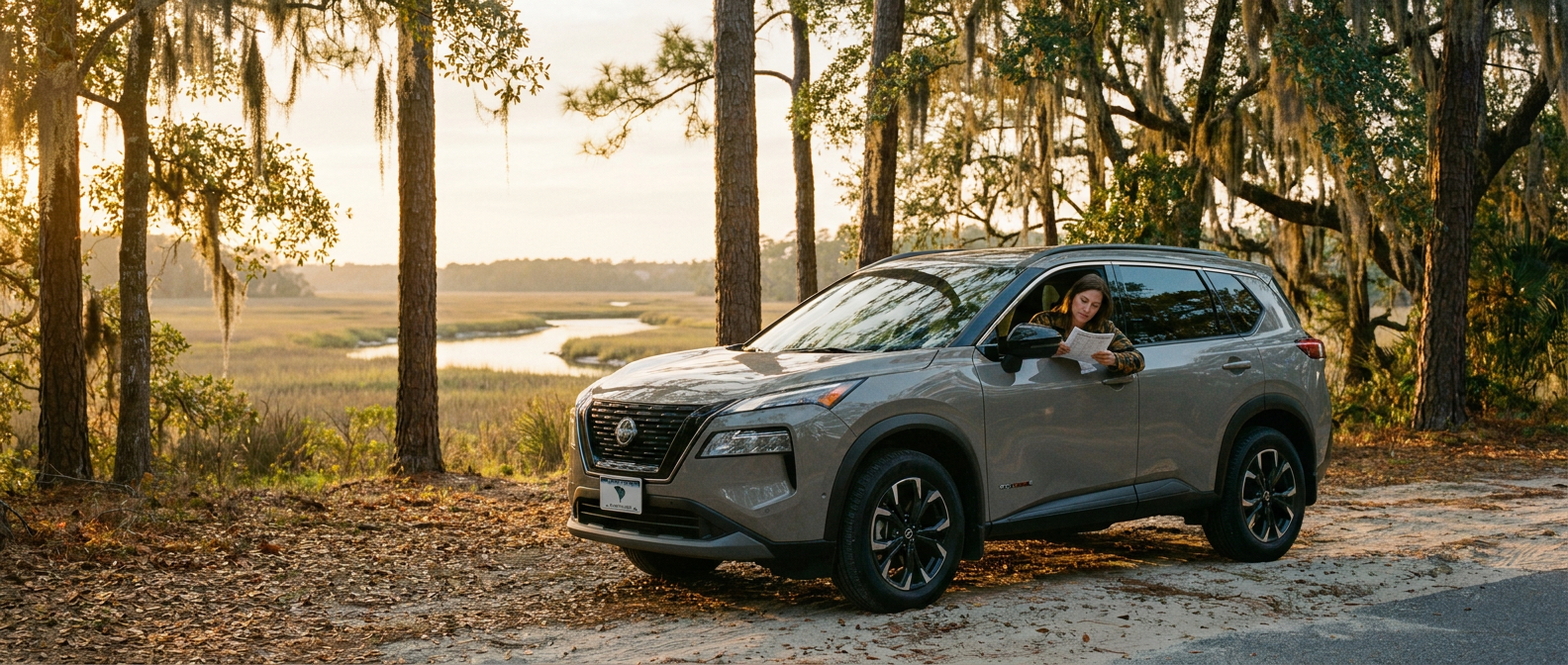
The reasoning behind each item lines up with this particular drive, whether you're in the Nissan Rogue that lands in our fall prep bay often, a Pathfinder loaded with family gear, or a Frontier hauling a trailer down to the coast.
Tires are the one your dashboard hides from you. AAA confirms that tire pressure drops roughly 1 PSI for every 10 degrees Fahrenheit the temperature falls. Orangeburg's October morning lows have been running in the upper 40s after the cold fronts move through, a 25-to-30-degree swing from a mid-afternoon high. On a tire spec'd at 35 PSI, you can lose 2 to 3 PSI by the time you wake up and leave. Not enough to look flat. Enough to affect fuel economy, handling feel, and wet-road stopping distance on the I-26 run.
Check them cold, before you start the car. An hour on hot pavement adds real PSI and hides the true reading.
The Ravenel Bridge has a real wind condition system. Charleston County's Emergency Operations Center issues formal advisories when sustained winds hit 30 mph. "Condition Yellow" means high-profile vehicles (motor homes, vehicles pulling trailers, box trucks) shouldn't use high-span bridges including the Ravenel Bridge. October cold fronts through Orangeburg County regularly push wind gusts well above that threshold by the time you clear North Charleston. We don't say this to put anyone off the trip. We say it because a quick check of the Charleston weather app before you leave (not the Orangeburg one) takes 30 seconds and tells you something the Orangeburg forecast won't.
Battery wear from summer heat shows up in fall. South Carolina's summer is genuinely brutal on battery chemistry. The trouble is that a battery weakened by months of 95-degree engine bays can start fine through October and then fail on a cold morning. If your battery is approaching the three-year mark and hasn't been tested, let us put a load tester on it. A bad reading at our service counter is a much better outcome than one at a parking garage on King Street.
| Checklist Item | Why It Matters for This Drive |
|---|---|
| Tire PSI | Fall temp swings silently drop pressure; AAA cites roughly 1 PSI per 10 degrees Fahrenheit decrease |
| Battery test | Summer heat degrades cells; cold October mornings reveal the damage |
| Windshield washer fluid | I-26 road spray from trucks builds fast; empty reservoir mid-bridge is fixable but annoying |
| Wiper blades | Afternoon showers in the Lowcountry can appear without much notice in October |
| Brake fluid level | Long highway stop-and-go through North Charleston stresses the system |
| Spare tire condition | Seventy-six miles of interstate with no exit near Ridgeville. Have a working spare |
| Cabin air filter | Charleston fall air is cleaner than August, but a clogged filter makes the defroster work harder |
Schedule a Pre-Trip Service Check
Print-and-Go Recap Before You Leave
Out of Orangeburg, the drive itself is straightforward, so the recap below keeps things simple. Pick up I-26 east and it carries you all the way to US-17 in Charleston, about 76 miles and a bit over an hour without stops. Browse the current Nissan lineup if you're also thinking about making this trip in something newer. For today's trip, here's the one-page version of everything above.
Before you start the engine:
- Check all four tire pressures cold against the door-jamb placard
- Inspect the spare
- Confirm oil level and color
- Top off washer fluid
- Verify all exterior lights are working
Quick visual walk-around:
- Look at each tire sidewall for bulging or cracking
- Squeeze the upper and lower radiator hoses
- Check the serpentine belt for surface cracking
Day-of conditions check:
- Pull the Charleston weather forecast (not just Orangeburg) for wind advisories, especially if you're pulling a trailer or driving a tall SUV
- If rain is in the forecast, confirm your wiper blades streak-free on a wet windshield before you get on the interstate
The full list ends there. None of it takes more than 20 minutes in the driveway. The alternative is discovering one of these items at a rest stop on I-26 between Santee and Ridgeville, which is a much longer fix.
If you'd rather have our service team run through it, come by. Our shop is at 2827 St Matthews Rd in Orangeburg. We'll put it on the lift, check everything on this list, and tell you exactly what we see. No surprises.
Frequently Asked Questions
Is it worth getting a full service appointment just for a 76-mile drive to Charleston?
Whether it's worth a full appointment depends on how long it's been since your last service visit. For a trip that's under two hours each way on a recently maintained Nissan, a careful driveway walk-through covers most of the critical items. We do genuinely recommend a shop visit before the drive in a few cases. Your battery is three or more years old, you haven't checked your tire tread in more than six months, or you're pulling a trailer or bike rack over the bridges into Charleston. In those situations, a quick lift inspection's worth the time, not because the drive is long, but because the conditions at the destination (bridge crossings, coastal parking, stop-and-go on King Street) add more stress than a simple highway cruise.
Why does my TPMS light come on in October when I didn't have it on all summer?
It's not a malfunction. Tire pressure drops approximately 1 PSI for every 10-degree Fahrenheit decrease in temperature, a bit of basic physics confirmed by AAA and every major tire manufacturer. Orangeburg's fall temperature swings between a warm afternoon and a cold overnight can easily pull 2 to 3 PSI from your tires without a single nail in sight. The TPMS warning light typically triggers when you're 25% below the recommended pressure. On a tire spec'd at 32 PSI, that's around 24 PSI. So the light isn't lying. The seasonal change simply happened, and the system's reporting it. Check your pressures cold against the door-jamb placard and add air to the recommended spec, and the light'll clear with your tires properly set for the trip.