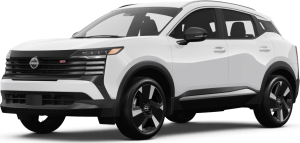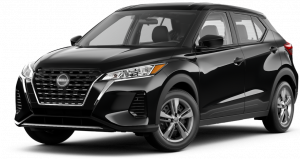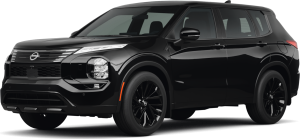

A guide to choosing the right Nissan for a September visit to Lake Marion. Learn why the Frontier excels for boat towing, why the Pathfinder suits multi-generational family camping, why the Rogue handles day trips efficiently, and why the Sentra works for budget-conscious solo anglers. Each vehicle addresses different trip needs and priorities.
September lands right in the sweet spot at Lake Marion. The brutal Lowcountry heat starts backing off, the water begins to cool from its late-summer peak, and SCDNR reports that topwater bass action over the grass beds picks back up just as the catfish start biting hard on cut bait in the shallows. Call it a serious fishing window. Santee State Park sits on the south shore of that 110,000-acre reservoir, and it gives you two boat ramps, 158 campsites, and pier cabins hanging over the water.
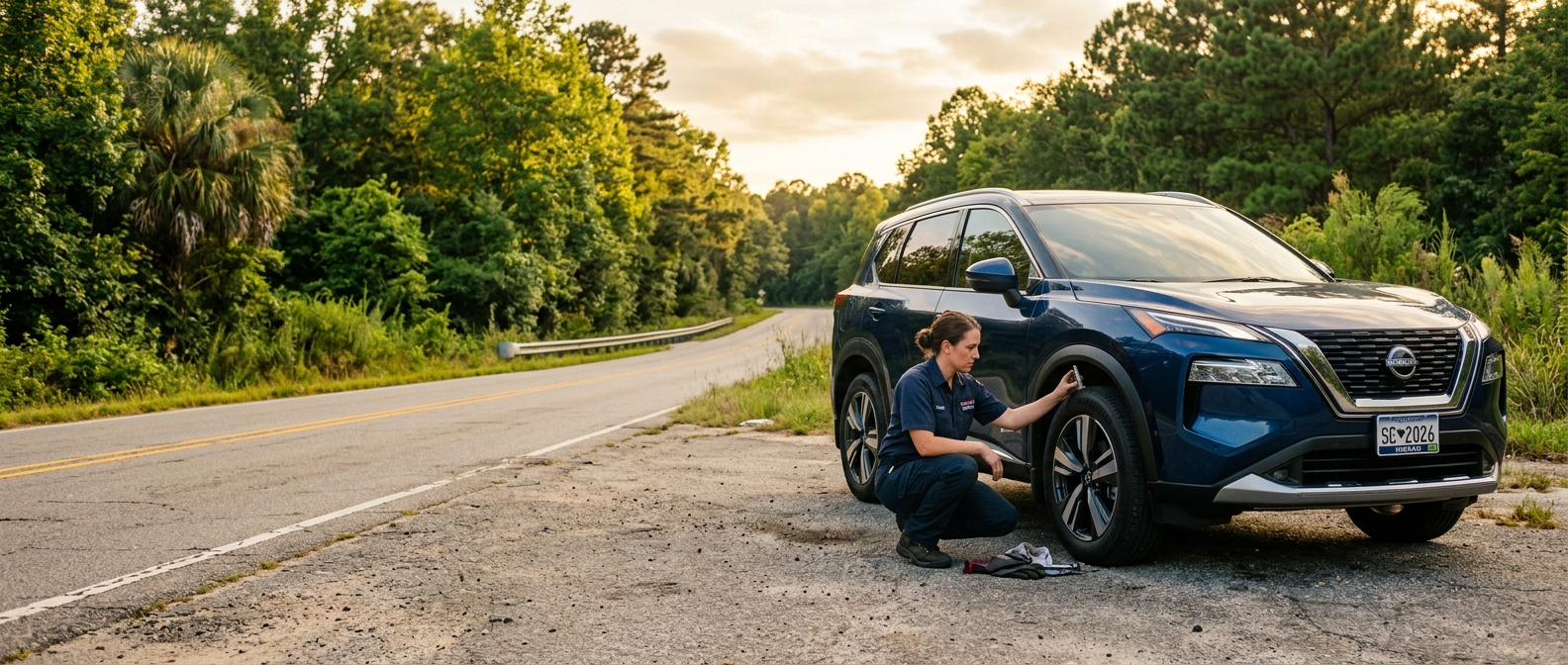
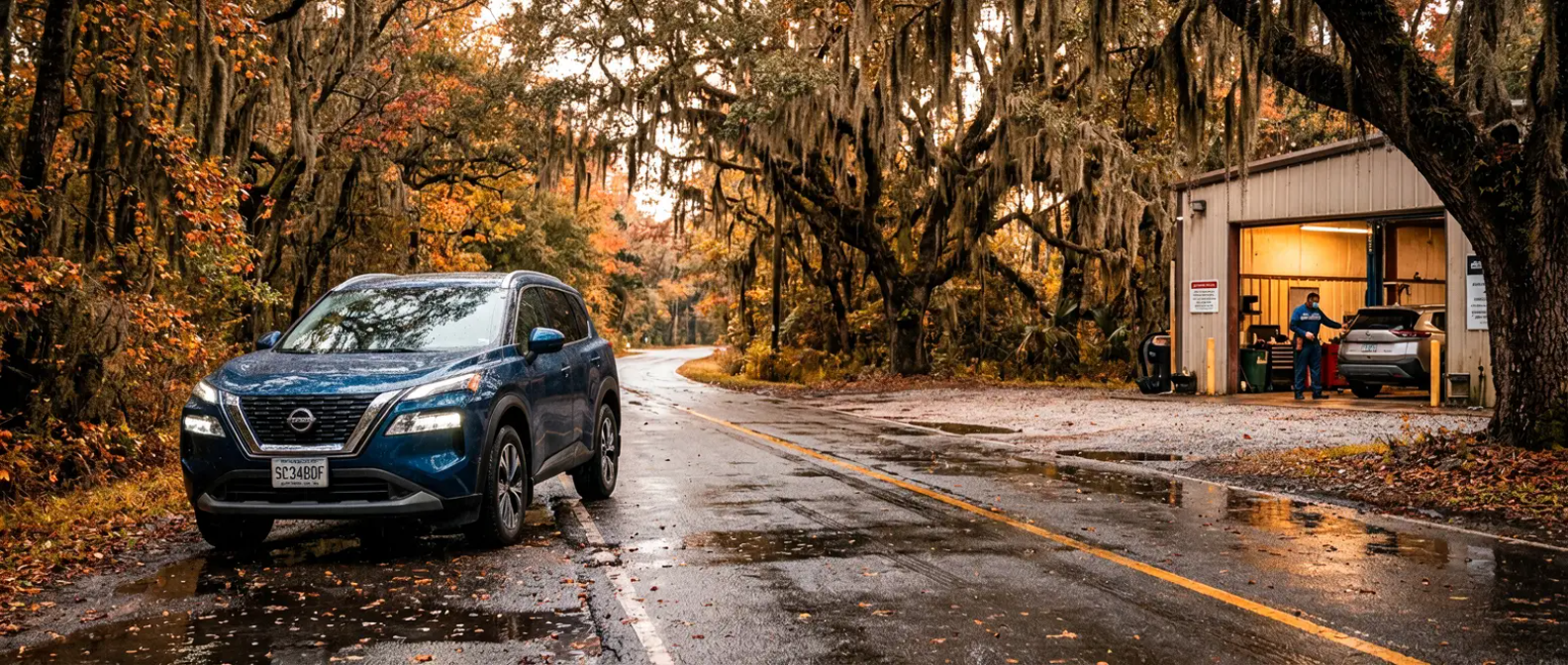
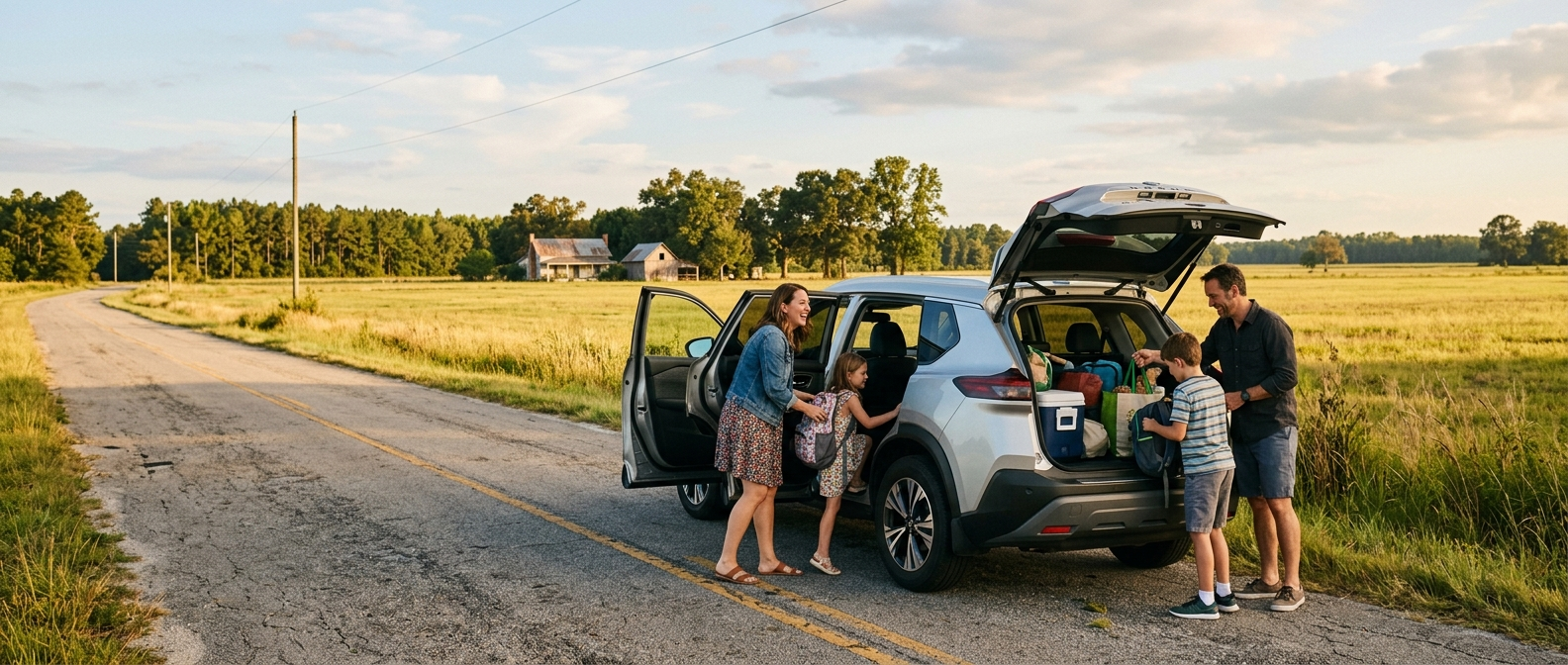
A fair question before a Lake Marion run is which Nissan gets you there right. Our answer depends on what your trip actually looks like. If you're trailering a boat, you need confirmed tow numbers. If you're sleeping over with the whole crew, you want plenty of cargo room. A day run down US-301 rewards fuel economy that doesn't sting on the way back.
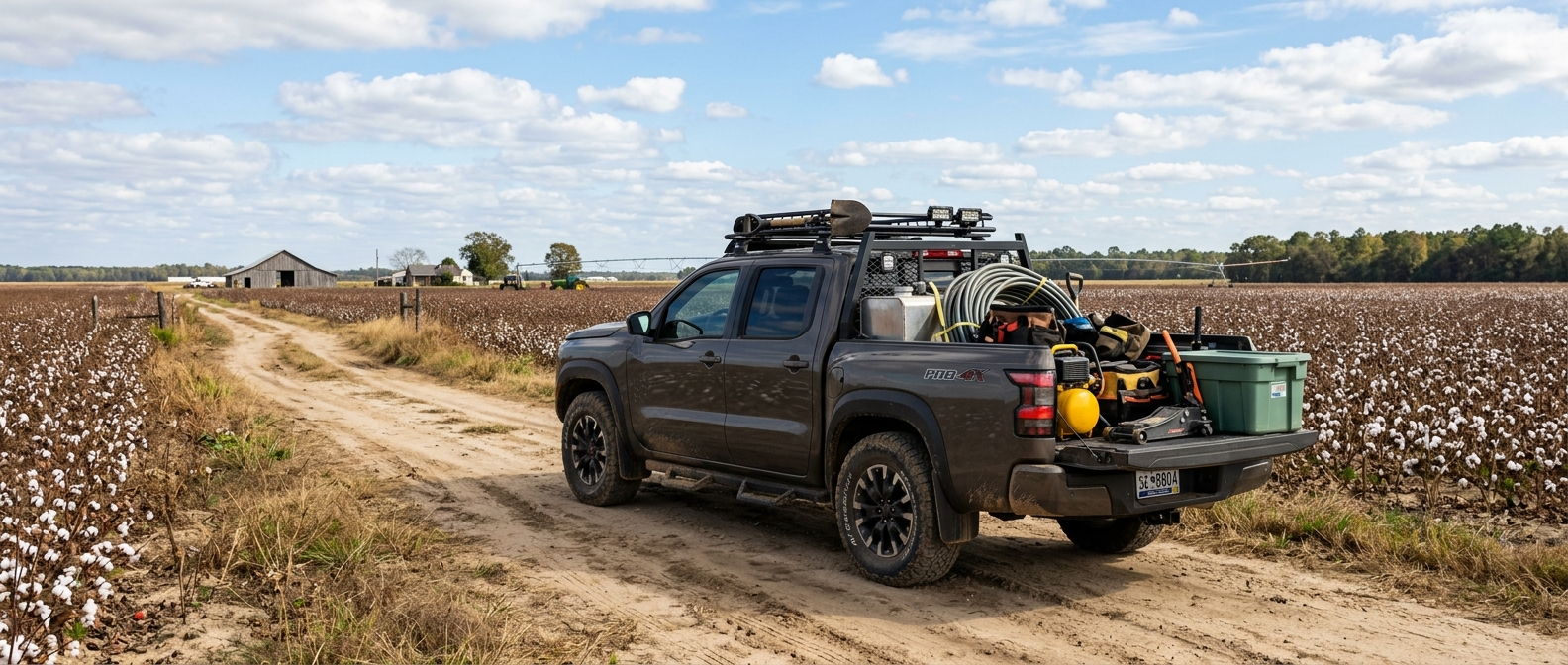
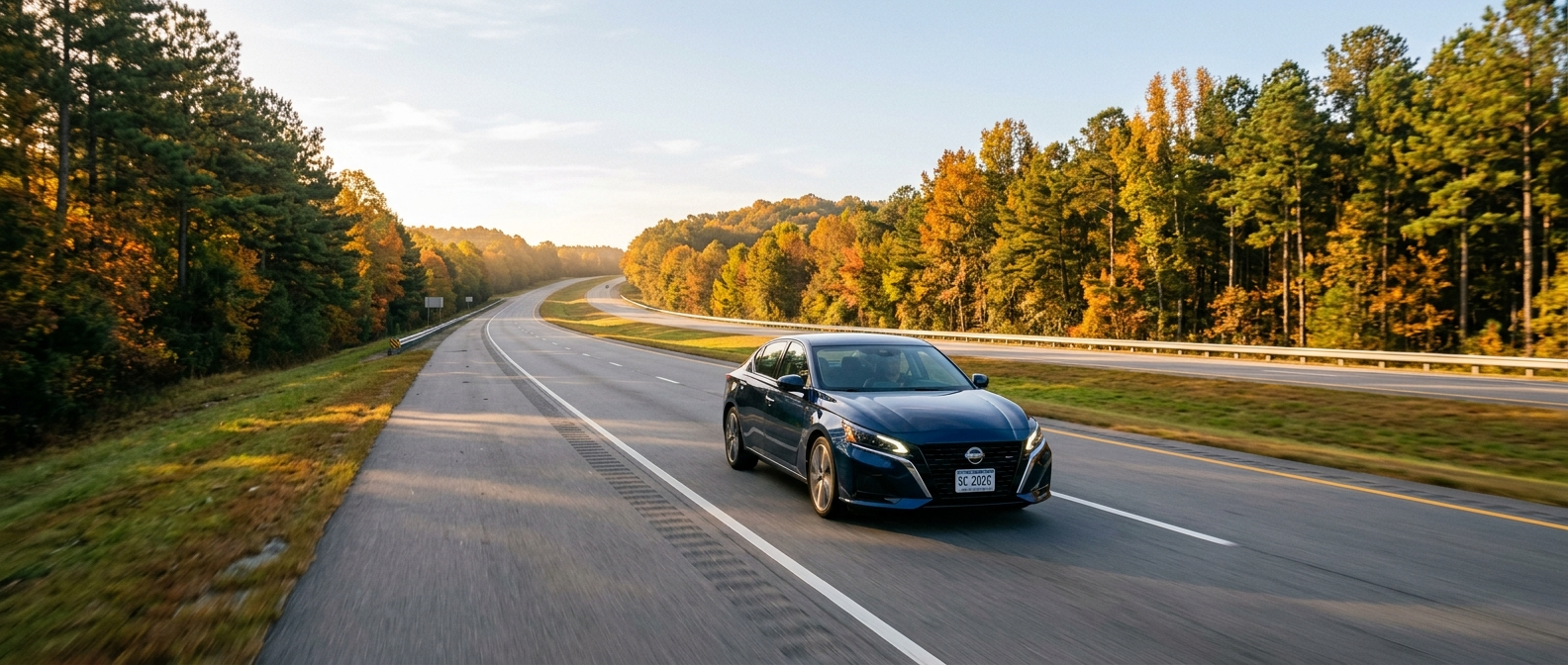
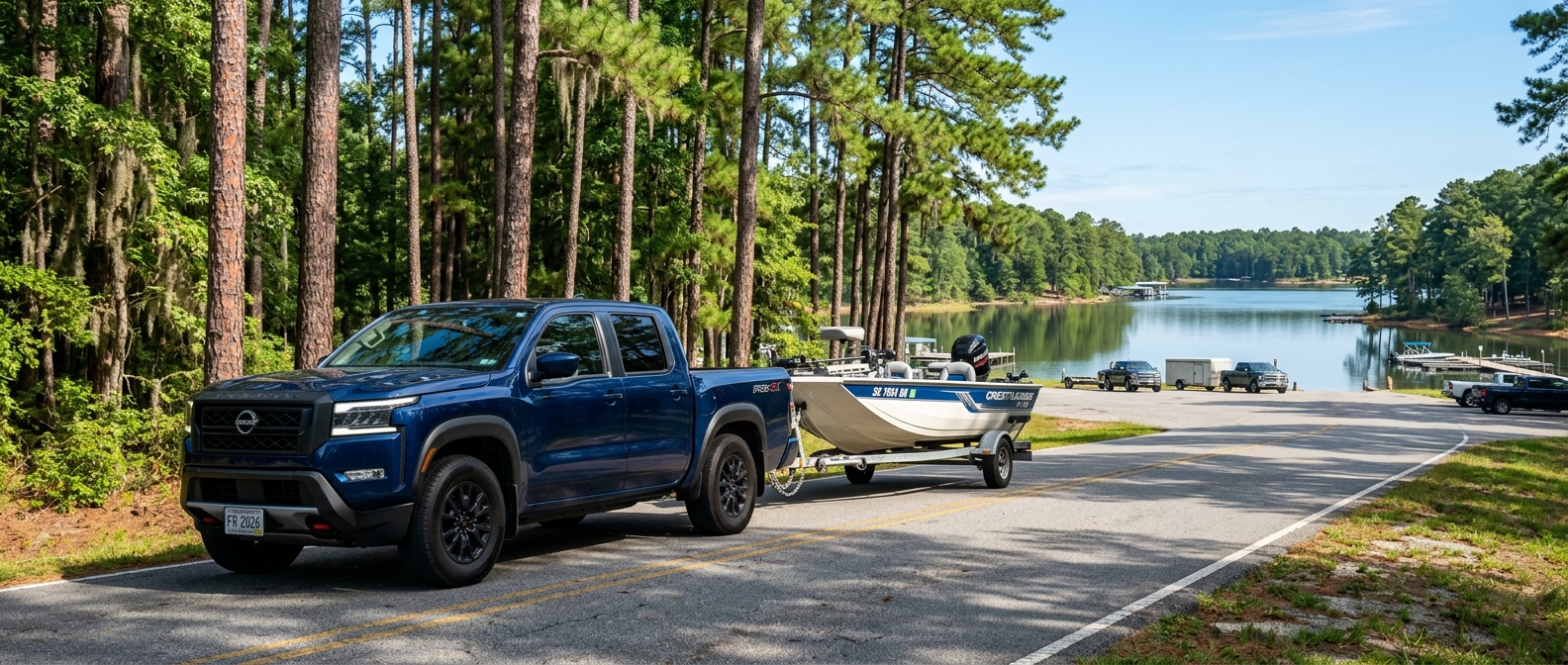
The 2026 Nissan Frontier is our top pick for Lake Marion in September, and the reason is straightforward. It's the only vehicle in the Nissan lineup that can pull a loaded bass boat, handle a gravel access road, and still haul your cooler and camp chairs in the bed without asking you to choose.
The Rankings at a Glance
| Rank | Pick | Best For | Standout Spec |
|---|---|---|---|
| 1 | 2026 Frontier | Towing a boat, gravel ramps, gear-heavy anglers | Up to 7,150 lb towing (when properly equipped), per Nissan |
| 2 | 2026 Pathfinder | Family camping, 6-8 passengers, overnight trips | 80.5 cu ft cargo, up to 6,000 lb towing (properly equipped), per Nissan press kit |
| 3 | 2026 Rogue | Day trips, fuel efficiency, solo or couple fishing runs | EPA-rated 32 mpg combined (FWD), 74.1 cu ft cargo (seats folded) |
| 4 | 2026 Sentra | Budget-conscious day-trippers, no trailer | EPA-rated up to 38 mpg highway |
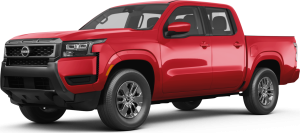
The 2026 Nissan Frontier: Built for the Boat Ramp
The 2026 Frontier earns the top spot whenever a boat is part of the plan. It can pull a loaded trailer up a wet ramp and still carry gear in the bed, though it asks for more fuel than the SUVs below and reads as more truck than a bare day trip needs. Santee State Park has two boat ramps. On a September Saturday when the bass are active, those ramps get busy, and you don't want a vehicle that hesitates under trailer weight on a sloped concrete pad. The 2026 Frontier's standard 3.8-liter V6 produces 310 horsepower and 281 lb-ft of torque, paired with a 9-speed automatic, and when properly equipped it tows up to 7,150 pounds (per Nissan USA). Those numbers cover most aluminum fishing boats and bass rigs on the water around here.
The tradeoff sits at the fuel pump. The Frontier gets around 20-21 mpg combined in real-world driving, so it behaves like a truck rather than a commuter. The 45-minute run down US-301 from Orangeburg to the Santee corridor costs more fuel than the Rogue will. If you're not towing and not hauling significant gear, the Frontier is more truck than the trip needs.
For a loaded-trailer run to Lake Marion, though, the calculus flips. The Utili-track bed system secures coolers, rods, and wet gear without sliding around. And the available 4x4 means a rain-softened boat ramp won't have you white-knuckling it.
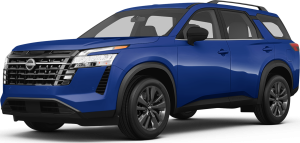
The 2026 Nissan Pathfinder: Room for All Eight of Them
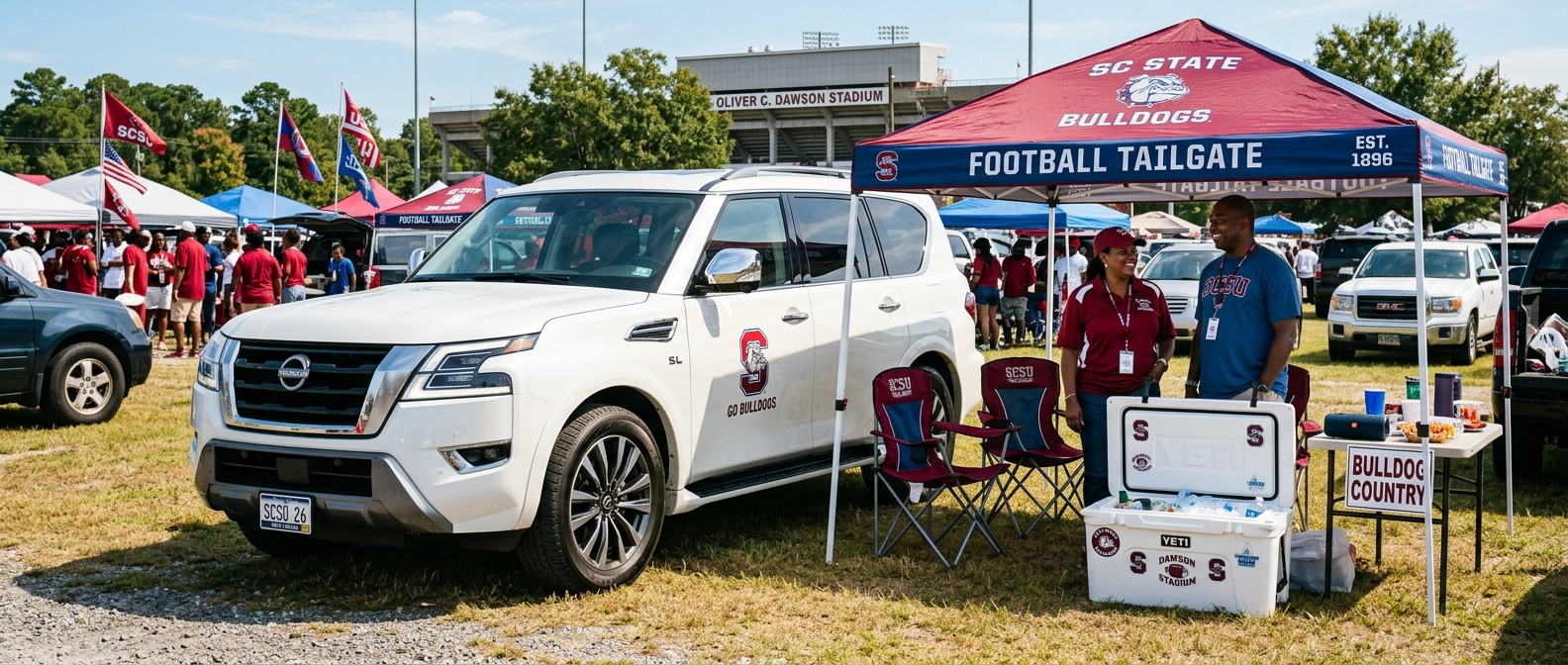
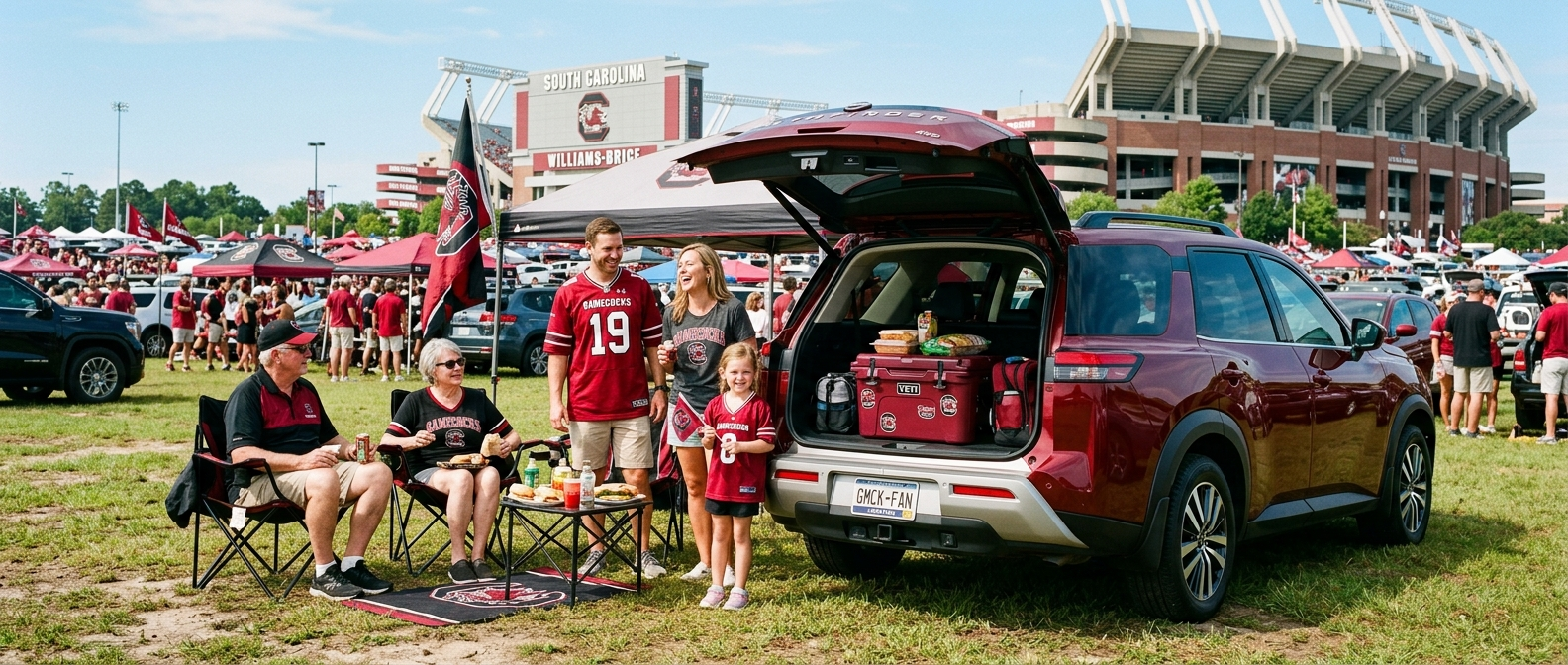
The 2026 Nissan Pathfinder is the right call for a full-family overnight. It seats up to eight and opens to a genuinely large cargo hold, though the third row works better for kids than for adults on a long stretch. Picture grandparents, parents, three kids, and the family dog all wanting a cabin stay at Santee State Park. The Rogue seats five. The Frontier is a truck, and the Pathfinder settles it.
Nissan's press kit spells out the numbers. The 2026 Pathfinder seats up to eight and opens to 80.5 cubic feet of cargo with both rear rows folded flat. Even with all three rows in use, there's 16.6 cubic feet behind the third row, enough for backpacks, a tackle box, and the bag of snacks that keeps the peace on a 45-minute drive. The Pathfinder's 3.5-liter V6 (284 hp) tows up to 6,000 pounds when properly equipped on Rock Creek, Platinum, or with the SV/SL tow package, so a pontoon trailer is within reach for the right configuration.
The tradeoff shows up in the way back. The third row is functional for kids but tight for adults over about 5'10", who'll know it by the time you reach Santee. For a 45-minute trip from Orangeburg that's fine. For a cross-state haul, have the conversation before you leave.
Get Pre-Approved for Your Lake Marion Rig
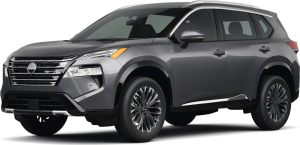
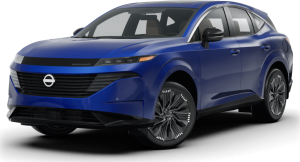
The 2026 Nissan Rogue: The Smart Day-Trip Pick
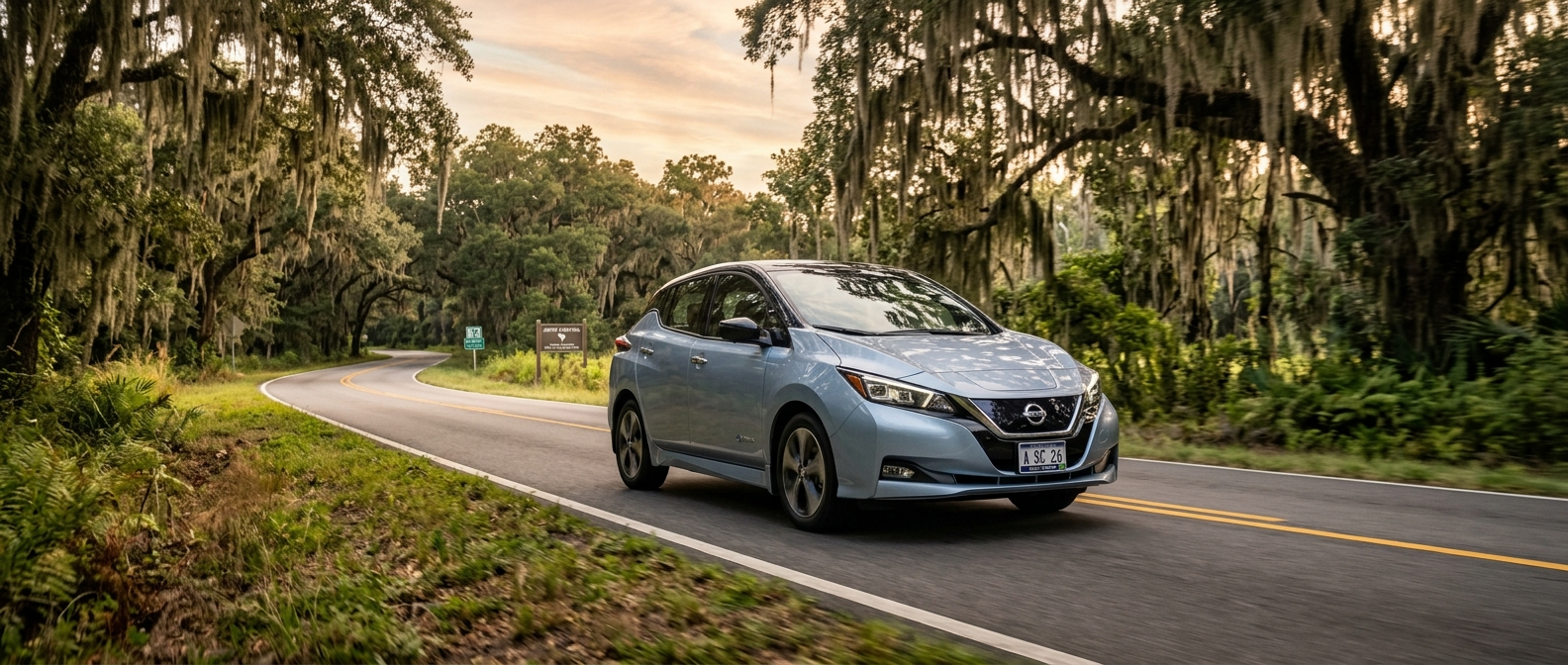
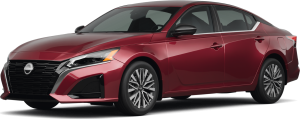
The 2026 Nissan Rogue is the smart pick for a no-trailer day run. Its EPA-rated fuel economy and folding cargo hold cover two people and light gear cheaply, though it can't tow a boat in any real way. Not every Lake Marion trip involves a boat or a tent. Some of the best September bass runs start at 5 a.m. and end at noon, with two people, a pair of kayaks rented on-site from Santee State Park's automated kiosk, a dry bag, and a cooler. For that trip, the Rogue makes more sense than either vehicle above.
The EPA rates the FWD Rogue at 29 city, 36 highway, and 32 combined, which adds up on a corridor run. It rides comfortably over I-26 and stays composed on the two-lane stretch of US-301.
The Rogue carries 36.5 cubic feet of cargo behind the second row and 74.1 with the seats folded. Kayak gear, chairs, and a weekend cooler go in easily.
The tradeoff is towing. The Rogue isn't rated for trailer towing in any meaningful capacity. If your Lake Marion trip involves a boat, you need one of the vehicles above. If it doesn't, the Rogue is the most enjoyable drive of the three for a day out.
The 2026 Nissan Sentra: Day-Trip Value Without the Overhead
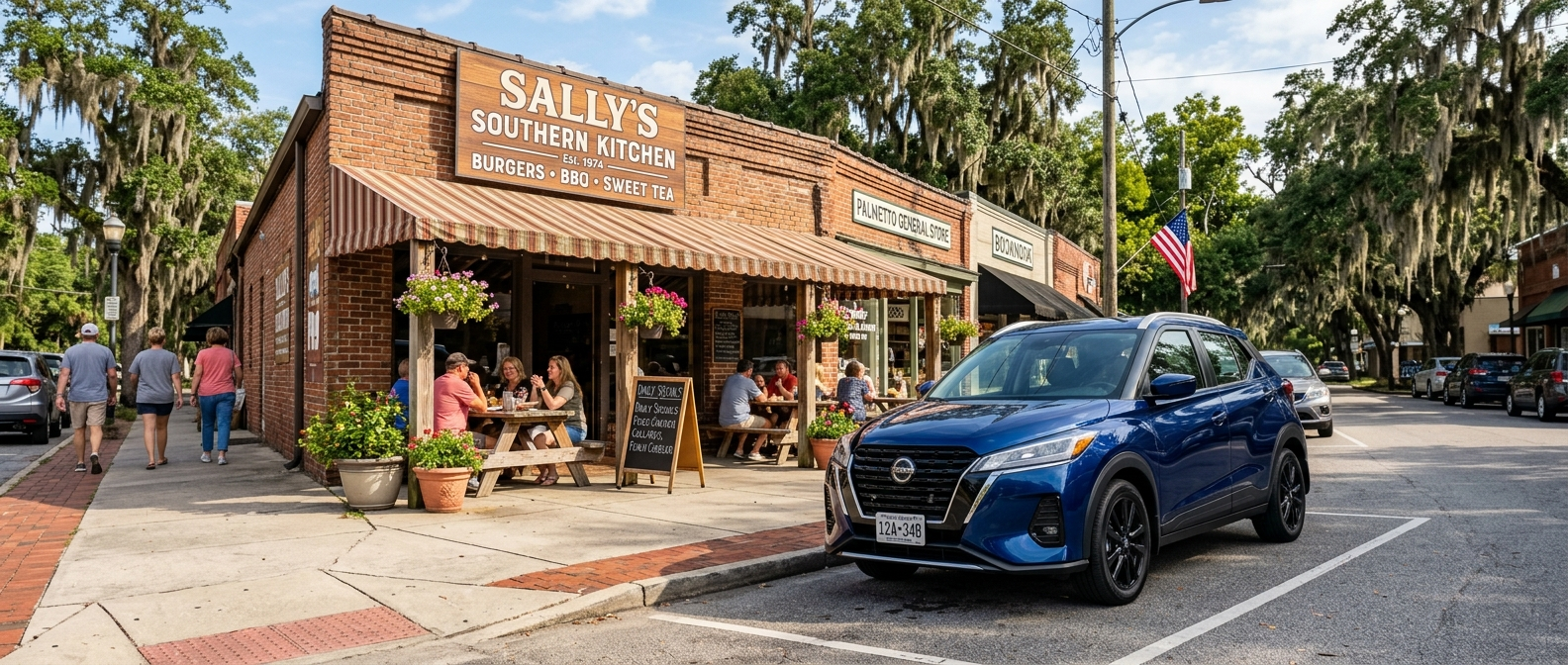
The 2026 Nissan Sentra is the value play for a solo angler or a couple heading out to fish from the park pier or hike the 7-mile biking trail, because its EPA highway number gets you to Santee and back on little fuel, though its trunk rules out a full family's camping load. Not every trip to Lake Marion needs a truck or a three-row SUV. The EPA rates the Sentra at up to 30 city and 38 highway. Orangeburg to Santee and back on less than half a tank, no trailer, no problem.
The limit is the trunk. The Sentra's trunk holds 14.3 cubic feet. Rods fit if they break down or you run shorter spinning gear, and a cooler and a tackle bag go in without drama. What won't fit is everything you'd bring for a family camping overnight. For that, step up to the Rogue at minimum, or the Pathfinder if you're bringing the whole group.
September in Orangeburg County stays warm and humid through mid-afternoon. The Sentra's air conditioning handles a South Carolina fall just fine, and the fuel savings on a day run are real.
The Frontier Earns the Top Spot
The Frontier takes the top spot because getting a boat in the water when the bass are feeding is what a September trip to Lake Marion comes down to, and no other Nissan pulls a loaded trailer up a ramp while carrying gear the way it does. Santee State Park's boat ramps are the gateway to a 110,000-acre fishery with some of the best largemouth bass, catfish, and striped bass in the state. The 2026 Frontier, with its 310-hp V6 and up to 7,150-pound tow capacity (when properly equipped, per Nissan), is the vehicle on our lot that handles that job without compromise.
The Pathfinder takes the camping trip with a full family. Day trips without a trailer belong to the Rogue. The Sentra takes the fuel-efficient solo run. Every trip to Lake Marion has a right Nissan. We can help you figure out which one that is.