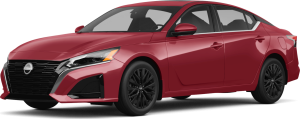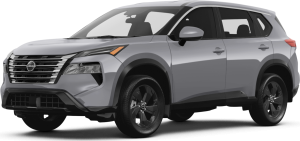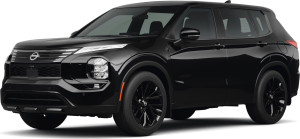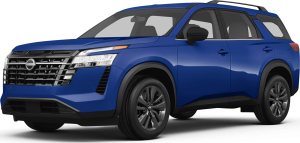

A practical guide to pre-holiday brake inspections for Nissan owners. Learn how Nissan's standard and severe service intervals differ, why holiday travel on I-26 may push your vehicle into severe territory, what to expect during a brake inspection, and why checking pad thickness, rotor wear, and brake fluid condition matters before a long trip.
October's the window for this. Thanksgiving sits six weeks out, Christmas lands two months past that, and I-26 between Orangeburg and Columbia fills up fast once the travel starts. Before that run, your Nissan's brakes deserve a real look, not just a "seems fine" from the last oil change.
Most generic brake guides skip something worth knowing. Nissan actually publishes two different inspection intervals for brake pads and rotors, one for standard driving conditions and one for severe. The corridor from Orangeburg to Charleston (roughly 75 miles of two-lane rural interstate with holiday volume stacked on top) can push a normally "standard" driver into severe territory. Knowing which bucket you're in changes what you need checked, and when.
The short version
- Commuter Rogue, Sentra, or Altima (standard driving): Nissan recommends pad and rotor inspection every 10,000 to 15,000 miles or 12 months, whichever comes first.
- Stop-and-go or towing use (severe conditions): Frontier and family haulers doing loaded runs should hit the 5,000-mile / 6-month interval.
- Brake fluid: Most Nissan models call for a fluid exchange every 2 to 3 years; if you've never done it, it's probably time.
- Pathfinder and Murano owners (2025 model years): Check your VIN against NHTSA recall 25V-173 before the holiday drive.
- Any pad at or below 2 mm: Replace it now, before the long haul.
Schedule your pre-holiday brake inspection
What Actually Matters When Choosing a Brake Service Level?
Your driving pattern sets your service tier, and that tier decides what your technician should examine, which means a steady highway commuter and a weekend tower rarely need the same inspection on the same schedule. Not every Nissan gets the identical check, and matching the service to how you actually drive is where the savings tend to live.
Nissan's official maintenance guide (verified on the Nissan USA maintenance schedule portal) draws a hard line between standard and severe driving. Those criteria matter, since they drive how fast your pads and rotors wear down.
| Service Tier | Best For | Nissan-Published Inspection Interval | Key Item Checked | Real Tradeoff |
|---|---|---|---|---|
| Standard inspection | Daily commute, mostly highway, light stop-and-go | Every 10,000-15,000 miles or 12 months | Pad thickness, rotor surface, fluid condition | May miss early wear if conditions crept into severe |
| Severe-use inspection | Towing, heavy loads, frequent short trips, heavy stop-and-go | Every 5,000 miles or 6 months | Full caliper, pad, rotor, and fluid check | More frequent visits, but far cheaper than rotor replacement |
| Fluid exchange (all models) | Any Nissan past 2-3 years without a fluid change | Every 2-3 years or ~30,000 miles | Brake fluid moisture content, pedal feel | Easy to skip; fluid is hygroscopic and degrades silently |
| Recall VIN check (specific) | 2025 Murano, 2025 Pathfinder owners | Before any long trip | Front brake caliper assembly strength | NHTSA 25V-173: caliper may have reduced structural strength |
Nissan USA specifies that the wear indicators on its brake pads produce a squeal once friction material reaches approximately 2 mm. That's the absolute floor. We watch for pads at 3 mm or below on high-mileage vehicles heading into a holiday run, because a long I-26 trip with luggage and passengers aboard eats through that last millimeter faster than a normal commute week does.
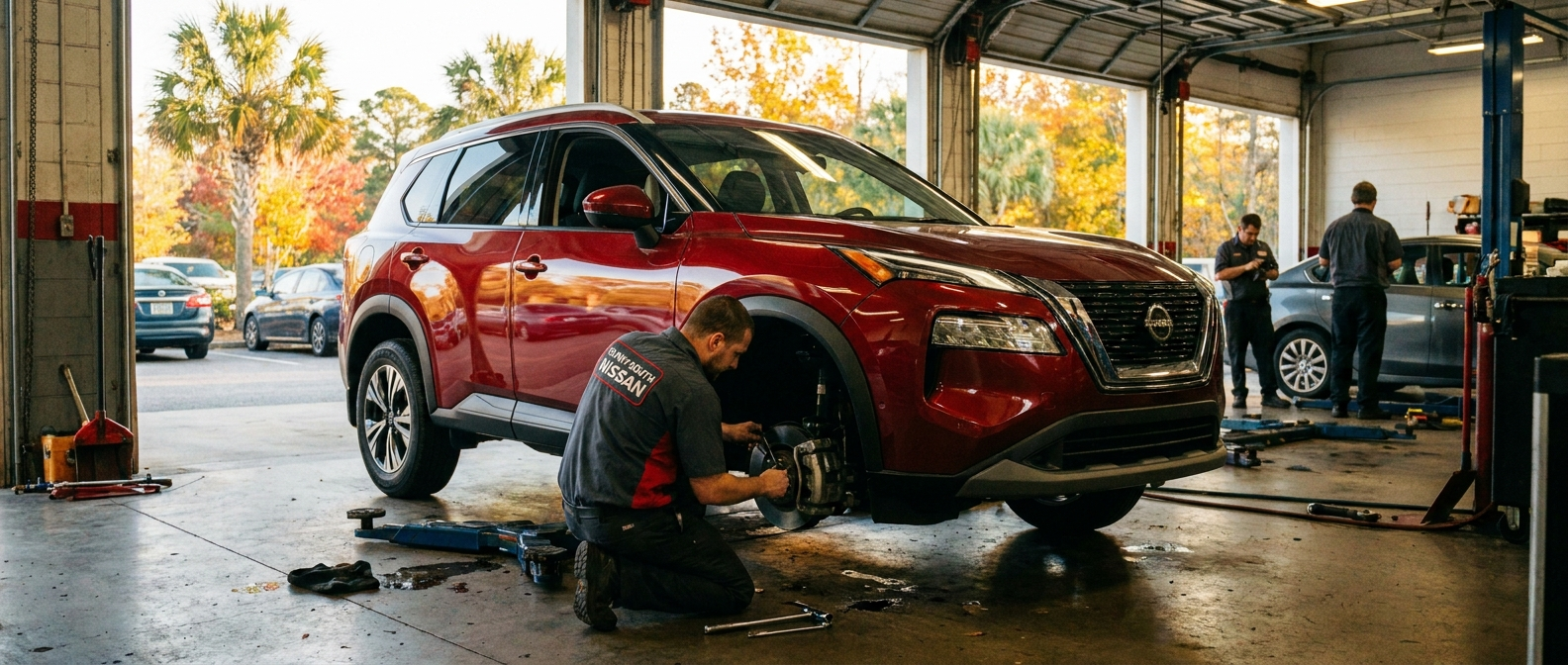
Rotors carry a minimum thickness cast right into the metal. Once a rotor wears below that stamped spec, it can't shed heat properly, and brake fade is the result on a long highway descent or in heavy stop-and-go. A technician measures it with a micrometer, never by eye.
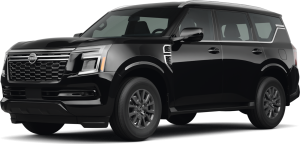
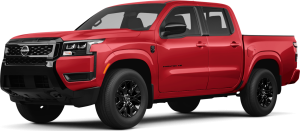
Browse the Nissan Rogue or see Frontier inventory if you're also thinking about a vehicle upgrade before the holidays.
The Interval Split: Standard vs. Severe and Why I-26 Changes the Math
For Orangeburg drivers, the standard-versus-severe line blurs on exactly the roads you'll take over the holidays, because travel on I-26 between Orangeburg and Columbia (about 40 miles northwest) or down to Charleston (roughly 75 miles southeast) reads as ordinary highway driving on paper, yet the holiday surge turns that corridor into repeated brake applications, tight pack gaps, and long decelerations from highway speed.
Nissan's maintenance schedule for the Kicks, for example, lists standard-condition pad and rotor inspection at 10,000 miles or 12 months, and under severe conditions that drops to 5,000 miles or 6 months. The Frontier's standard interval stretches to 15,000 miles, though severe pulls it back to that same 5,000-mile mark.
Nissan's own criteria spell out what "severe" covers. Frequent short trips under five miles, extended idling or heavy stop-and-go traffic, regular towing or hauling of heavy loads, and driving on unpaved or rough roads all qualify. Several of those describe a typical Frontier or Armada work week in the Midlands, no holiday travel required.
Match Your Inspection to How You Actually Drive
Most Sentra and Altima commuters running St. Matthews Road into town and back land squarely in standard-condition territory, so an annual inspection lined up with your tire rotation covers them fine, while the towing and short-trip crowd needs a closer, more frequent look. No upsell needed on the commuter side.
See current Pathfinder inventory if you're a Pathfinder owner, but read this part first. NHTSA issued recall 25V-173 in March 2025 covering a narrow window of 2025 Pathfinder and 2025 Murano vehicles built between January 27 and January 30, 2025. The issue traces to a supplier defect that may have left one or both front brake caliper assemblies with reduced structural strength. The recall is free. Our service team can pull your VIN and confirm whether your vehicle sits in the affected production window in about five minutes.
For Rogue and Pathfinder family-haulers doing loaded holiday trips, think back over what your last 6 months looked like. School runs, grocery hauls, highway merges, maybe a summer lake weekend with the trailer. If that pattern fits, go with the severe-condition inspection interval. The fluid check matters here too. Brake fluid is hygroscopic, meaning it keeps absorbing moisture from the air, and that moisture drops the boiling point. Under heavy or sustained braking, degraded fluid can leave you with a soft, spongy pedal. Most Nissan models call for a fluid exchange every 2 to 3 years. If you can't recall the last time it was done, that's your answer.
Frontier and Armada owners towing anything before the holidays shouldn't treat this as optional. The Frontier's severe-condition interval sits at 5,000 miles or 6 months precisely because loaded hauls build sustained heat in the rotors and calipers that normal commuter driving simply won't.
Schedule Your Pre-Holiday Brake Inspection
Frequently Asked Questions
How do I know if my Nissan brake pads still have life before a long trip?
Nissan installs audible wear indicators on brake pads that produce a squealing noise when friction material reaches approximately 2 mm, according to Nissan USA. You don't need to wait for the squeal, though. A technician can check pad thickness visually through the caliper inspection hole during any routine service visit. If you're planning a holiday run on I-26, we recommend checking pad thickness before you leave, not after you notice noise, because the squeal can appear after sustained highway driving has already pushed you below a safe margin for the return trip.
My 2025 Nissan Pathfinder or Murano is making no unusual sounds. Do I still need to check the recall?
Yes. NHTSA recall 25V-173 covers 2025 Murano and 2025 Pathfinder vehicles built in a four-day window (January 27-30, 2025) with potentially defective front brake caliper assemblies. Reduced caliper strength doesn't necessarily produce noise before it becomes a braking problem. The recall inspection and any necessary caliper replacement are performed at no charge at a Nissan dealership. The fastest way to confirm whether your specific VIN is affected is to call our service team or use the NHTSA VIN lookup tool.