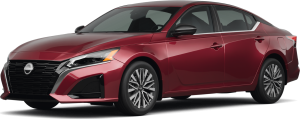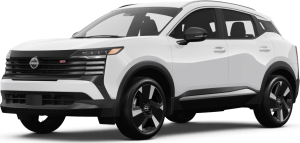

A practical guide to reducing commute fatigue through proper seat support. Learn how the 2027 Nissan Murano's Zero Gravity seat geometry, developed through research with NASA data on neutral posture, addresses lower back tightness and muscle tension during long highway drives, and how ProPilot Assist reduces the cognitive demand of sustained driving on familiar routes.
Teaching in Orangeburg County means you're on your feet from 7:30 in the morning. By the time the last student clears your room and you wrap that afternoon meeting, your lower back has held you upright for eight-plus hours. Then you sit down in your car. A standard seat pushes your pelvis forward and lets your lumbar collapse, so the drive home on I-26 never lets you decompress. It tightens you up instead.
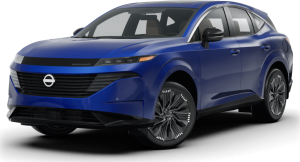
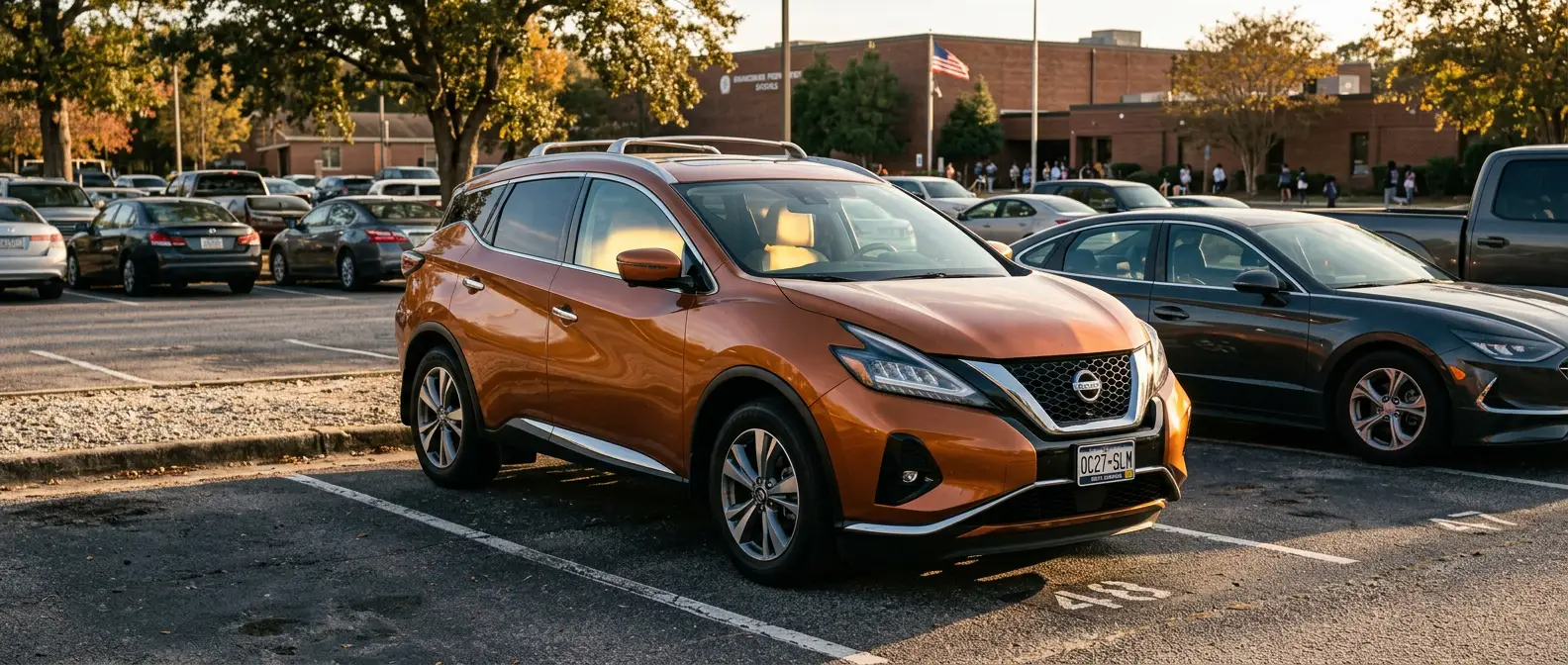
The 2027 Nissan Murano is built for exactly that situation. The reason has less to do with marketing language about "comfort" and more to do with a documented engineering approach to the posture problem that makes a teacher's commute so draining.
What's Actually Going On When Driving Feels Exhausting?
| The symptom you feel | What's actually causing it | What the Murano addresses |
|---|---|---|
| Lower back tightness after short drives | Lumbar collapse from conventional seat shape | Zero Gravity seat geometry holds neutral spine support from hip to shoulder |
| Stiff neck and shoulders on I-26 | Constant micro-corrections to stay centered in lane | ProPilot Assist steering and lane-keep support reduces correction load |
| Mental fog by the time you pull in the driveway | Sustained alert-state driving with no relief | Adaptive cruise with stop-and-go management reduces cognitive demand on familiar routes |
| Arriving home more tired than you left school | Cumulative muscle tension from poor seating posture | 14-point pressure distribution in Zero Gravity seats reduces muscle recruitment needed to stay upright |
The table above isn't guesswork. Nissan developed the Zero Gravity seat design through joint research with Yamazaki Laboratory at Keio University, anchored in NASA's data on neutral posture. When your body sits in a truly neutral spinal position, the muscles that normally fight gravity to keep you upright can rest. In a seat that doesn't support that posture, those muscles never stop working. That matters.
The Real Culprit Is Posture Collapse, Not Just Fatigue
The culprit here is usually posture collapse rather than plain fatigue, which is why a seat can feel perfectly fine in the school lot and still leave you aching by the time you reach Columbia twenty minutes up I-26 toward home. You pull out of the school lot comfortable enough. Twenty minutes later your pelvis has tilted forward, your lumbar has lost its curve, and your lower-back and hip muscles are working overtime to compensate. The problem is physiological, and no amount of gripping the wheel fixes it.
Our service team hears the same description often. Folks come in asking for a more comfortable vehicle, and what they describe rarely traces back to seat softness. The issue is the position their body settles into, and cushion density has little to do with it. Softer foam won't fix a pelvis that's rotated out of alignment, but the right seat geometry can.
The 2027 Murano's Zero Gravity seats use 14 pressure points to hold the spine in a neutral position throughout the drive. Nissan lists them as standard on every trim, meaning the SL, Dark Armor, and Platinum, so this isn't an upgrade you have to hunt for.
Rear outboard seats get the same treatment. It helps when you're driving colleagues home or moving family around after a long day.
For the SL Comfort Package, add ventilated and massaging front seats. On a humid South Carolina afternoon in August, ventilated seats earn their keep (August around here rarely cools off before you're already home). They're climate management for someone who spent the morning and afternoon in a building that may or may not have caught up with the heat by noon.
DIY Resets vs. Seeing Our Team
You can genuinely improve your daily drive on your own, and some of the best fixes cost nothing, but there's a hard limit to what settings alone will do once the seat itself is working against you on the drive home. Start with the free adjustments and see how far they get you.
- Adjust your seat height so your hips sit level with your knees
- Pull the lumbar support forward before you put the car in gear
- Set the headrest so the center of the pad is level with the center of your skull
Every one of those helps, and none of it costs a thing.
What you can't DIY is the underlying seat architecture. Drive a car with a conventional seat and no adjustment will get you to Zero Gravity geometry. Changing that comes down to which vehicle you park in the driveway.
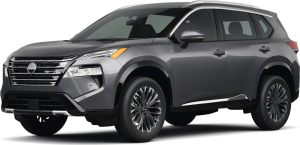
The Rogue handles this well for tighter budgets and shorter commutes, and it's a real alternative worth knowing about. For someone running 35-45 miles each way on I-26 five days a week, though, the Murano puts more into cabin refinement. Active Sound Cancellation comes on the SL and Platinum trims, and ProPilot Assist is standard on every trim, which changes what the commute feels like by Friday afternoon.
Nissan lists the 2027 Murano's EPA fuel economy at up to 27 mpg on the highway. For Orangeburg-Columbia commuters, that number carries weight, since a full week of I-26 runs won't send you to the pump every other day.
So when does it make sense to come see us instead of adjusting what you have? It comes down to how long you sit and how far you drive, and the list below sorts out where the line sits.
- Come in if your current vehicle leaves you sore after commutes shorter than 30 minutes, because that points straight to seat geometry.
- Come in if your commute involves regular I-26 time at highway speeds and you're handling all the lane-keeping mentally with no driver assist.
- Come in if you're a school administrator running early mornings, late evenings, and occasional weekend events. The fatigue profile is different, and the case for the Murano's cabin gets stronger.
- Adjust your current setup first if your commute is under 15 minutes each way, because the Zero Gravity benefit builds over distance and time, and short hops barely tap it.
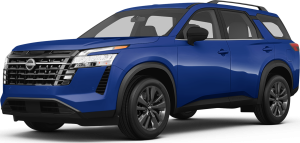
The Pathfinder is worth knowing about if you need three rows. It shares the same VC-Turbo powertrain and a lot of the same comfort engineering, just in a larger package. We have both on the lot and can put you in each one back-to-back.
Schedule a Comfort Consultation
Standard Nissan Safety Shield 360 comes on every 2027 Murano trim, and it bundles automatic emergency braking with pedestrian detection, blind spot warning, lane departure warning, intelligent forward collision warning, and rear cross traffic alert. For administrators making early morning drives into Orangeburg when there's still pedestrian traffic around Claflin University and South Carolina State, automatic pedestrian detection on a dark road stops being a spec sheet line. You don't think about it until the moment it matters.
Frequently Asked Questions
Does the Nissan Murano's Zero Gravity seat technology actually reduce fatigue, or is it just marketing?
It's based on verifiable engineering research, not brand language. Nissan developed the Zero Gravity seat design through joint research with Yamazaki Laboratory at Keio University, drawing on NASA data about neutral posture in a weightless environment. The seat uses 14 pressure points to keep the spine in a position where the muscles that normally resist gravity can stay more relaxed.
Which 2027 Murano trim makes the most sense for a teacher commuting from Orangeburg to Columbia?
The SL is the practical starting point for that commute. It adds the panoramic moonroof, a 10-speaker Bose audio system, Google Built-in navigation, Active Sound Cancellation, and standard ProPilot Assist. The Platinum adds massaging and ventilated front seats standard, which on a hot South Carolina afternoon carries real value.
What's the difference between the Murano and the Rogue for a daily commute?
The Rogue handles shorter commutes and tighter budgets well. For someone running 35-45 miles each way on I-26 five days a week, the Murano's additional investment in cabin refinement and consistent driver assist features changes what the commute actually feels like by Friday afternoon.
By the Nissan of Orangeburg Team | August 2026