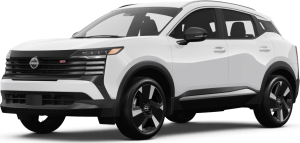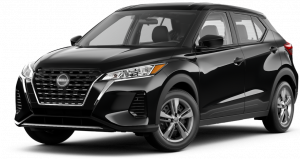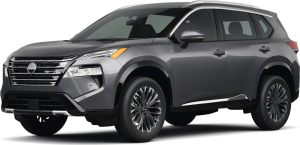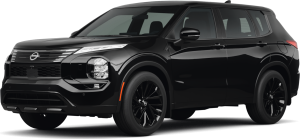

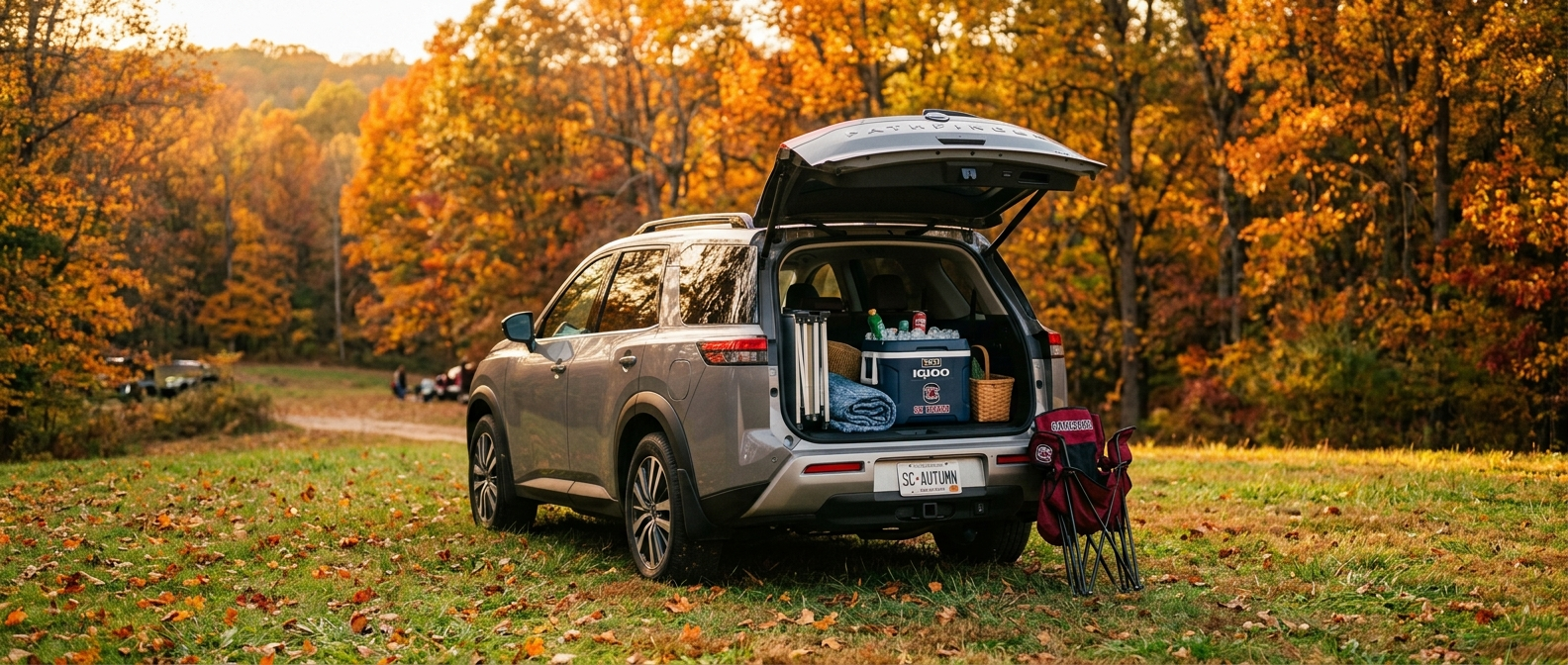
A practical guide to choosing the right Nissan SUV for fall activities around Orangeburg. Learn how the 2026 Rogue, Pathfinder, and Armada handle different cargo scenarios, from county fair runs and stadium tailgates to lake weekend trips, with verified cubic footage and tow ratings to match your actual hauling needs.
Which Nissan SUV should you load for fall? Whichever one actually fits your haul, and not all three of them will. Pack for the Orangeburg County Fair, an SCSU tailgate at Oliver C. Dawson Stadium, or a weekend run out to Lake Marion, and that fit becomes the deciding factor. The generic fall-SUV lists skip that part.
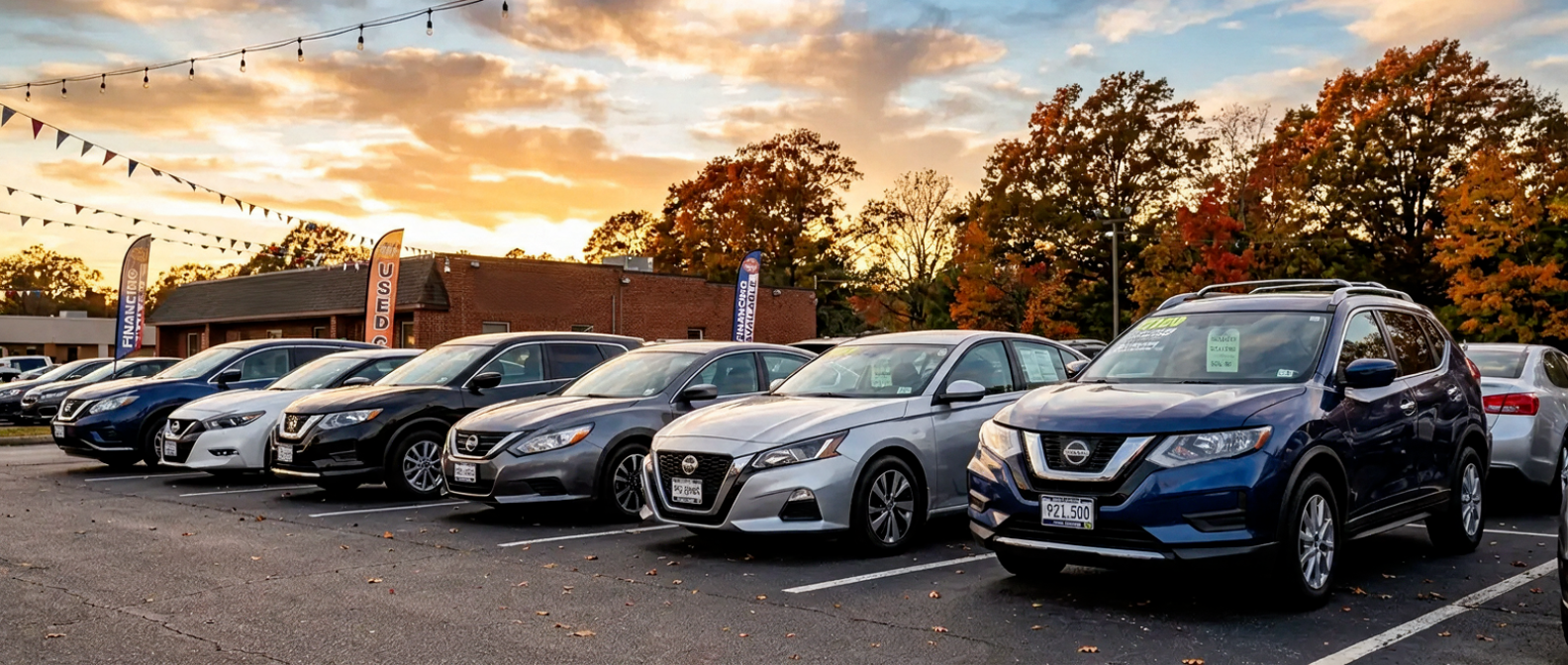
We see three very different fall loads come through our lot on St. Matthews Road, and each one genuinely calls for a different vehicle. Let us walk you through the real numbers.
Will It Fit? Verified Cargo Numbers for Each Scenario
Nissan lists these specifications for the 2026 model year, and they're the baseline you want before you commit, because the right SUV comes down to how many seats you need filled and how much gear has to ride behind them. Read the numbers first, then match them to your load.
| Load / Scenario | Vehicle | Cargo Space | Seats Available | Fits? Notes |
|---|---|---|---|---|
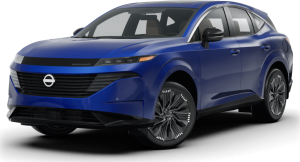
| Two adults + large cooler + folding chairs | 2026 Rogue | 36.5 cu ft (seats up) | 5 | Yes. Chairs fold flat alongside the cooler with room to spare |
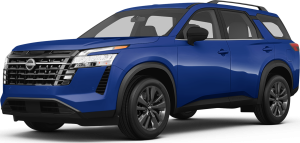
| Full family of 6 + luggage + gear bags | 2026 Pathfinder | 16.6 cu ft (3rd row up) / 45 cu ft (3rd row down) | 7 or 8 | Yes, with 3rd row up for passengers; fold it for the big gear runs |
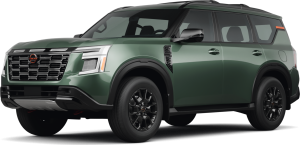
| Extended family of 8 + large cooler + folding table + canopy | 2026 Armada | 20.4 cu ft (3rd row up) / 97.1 cu ft (all folded) | 8 | Yes. The 97.1 cu ft max is the biggest cargo hold in this lineup |
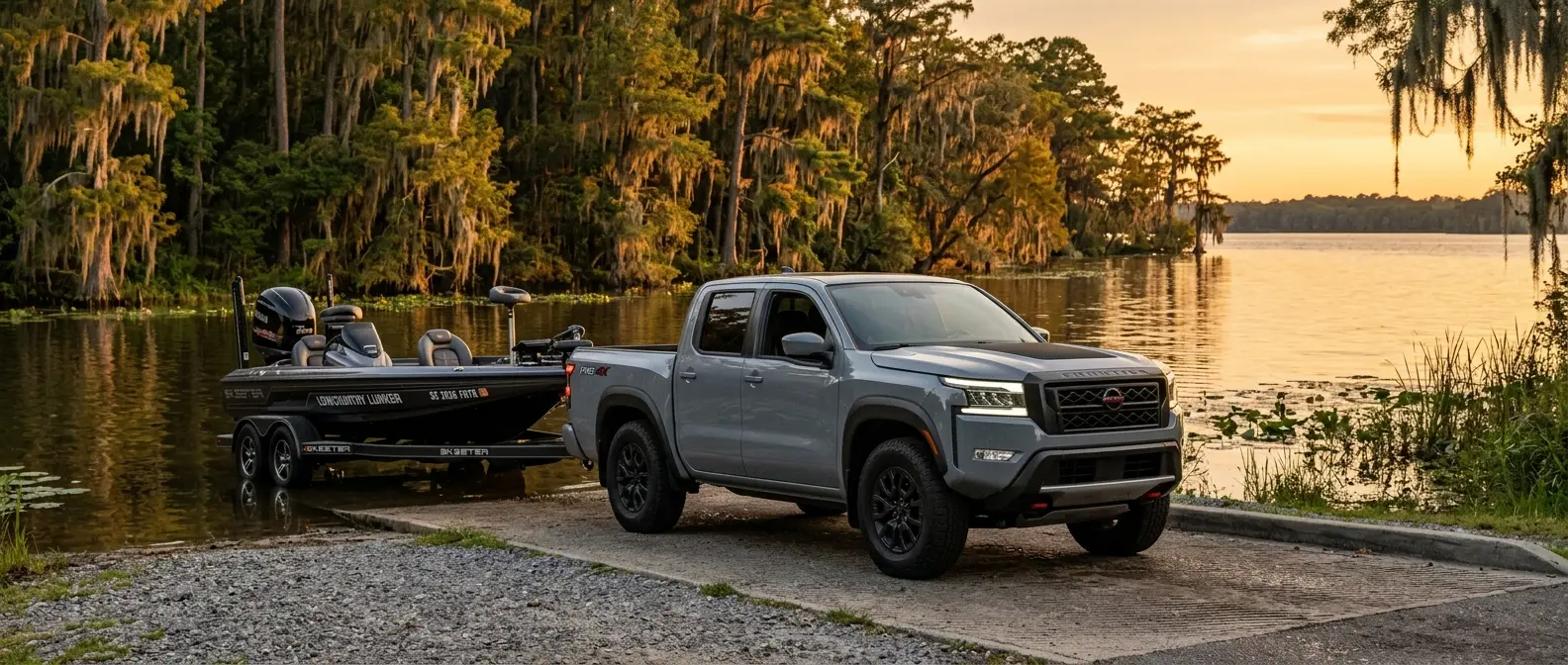
| Boat or utility trailer (County Fair-style haul) | 2026 Armada | Up to 8,500 lb tow rating when properly equipped | 8 | Yes. Built for this; the Rogue tops out at 1,500 lb |
| Camping gear + two car seats + stroller | 2026 Pathfinder | 80.5 cu ft (all rows folded), 79.8-inch floor length | 7 or 8 | Yes. That floor length handles a stroller laid flat |
The honest tradeoff. The Rogue is genuinely the right call for couples and small families hauling a reasonable load. It won't hold eight people. If everyone's riding together and you've got gear to spare, you need a third row. No way around it.
Loading for Orangeburg's Fall Calendar
See what Nissan SUVs are in stock now
Fall in Orangeburg starts in early October and hits all at once, which is exactly why your cargo plan matters more this season than any other. The Orangeburg County Fair runs October 6 through 11. SCSU football pulls big tailgate crowds to Oliver C. Dawson Stadium through November. And the cooler temperatures finally make a late-afternoon run to Lake Marion or Edisto River country worth the effort after a long, humid Lowcountry summer.
Each event asks something different of your cargo area.
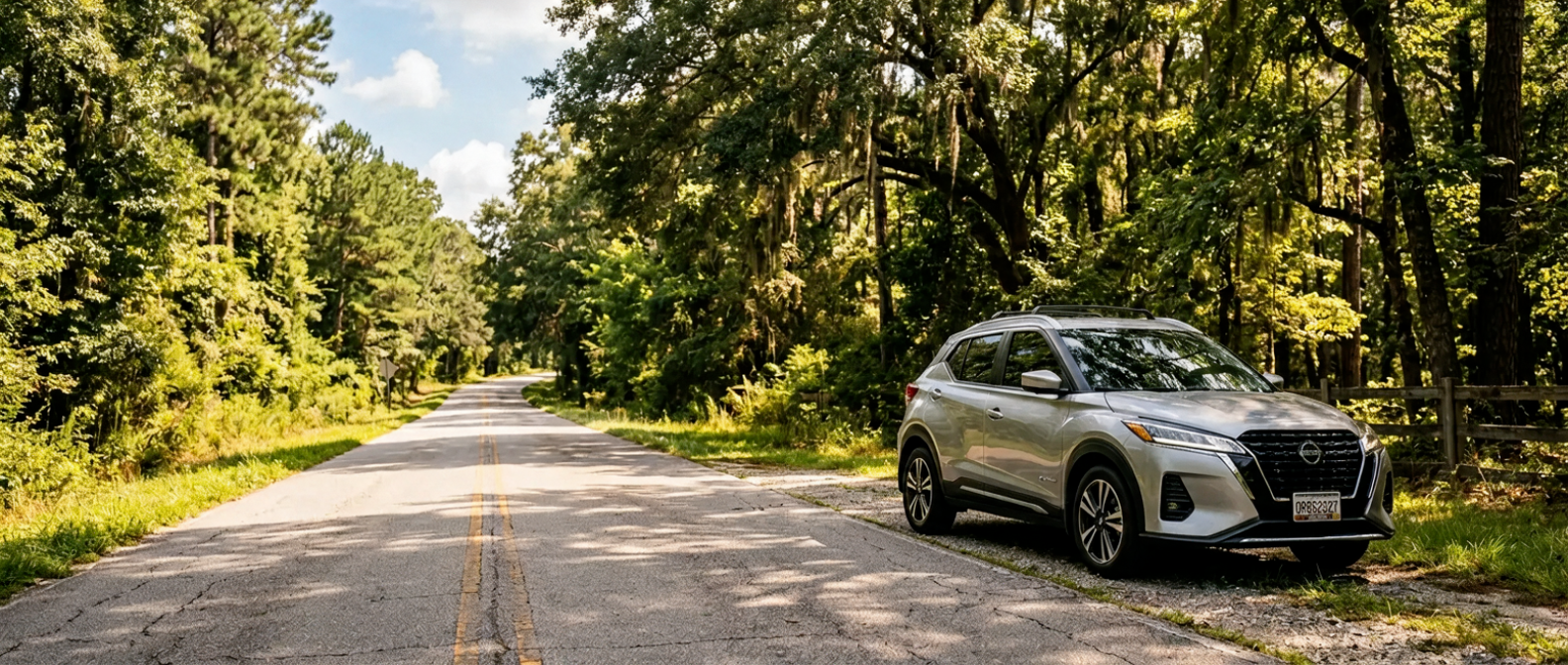
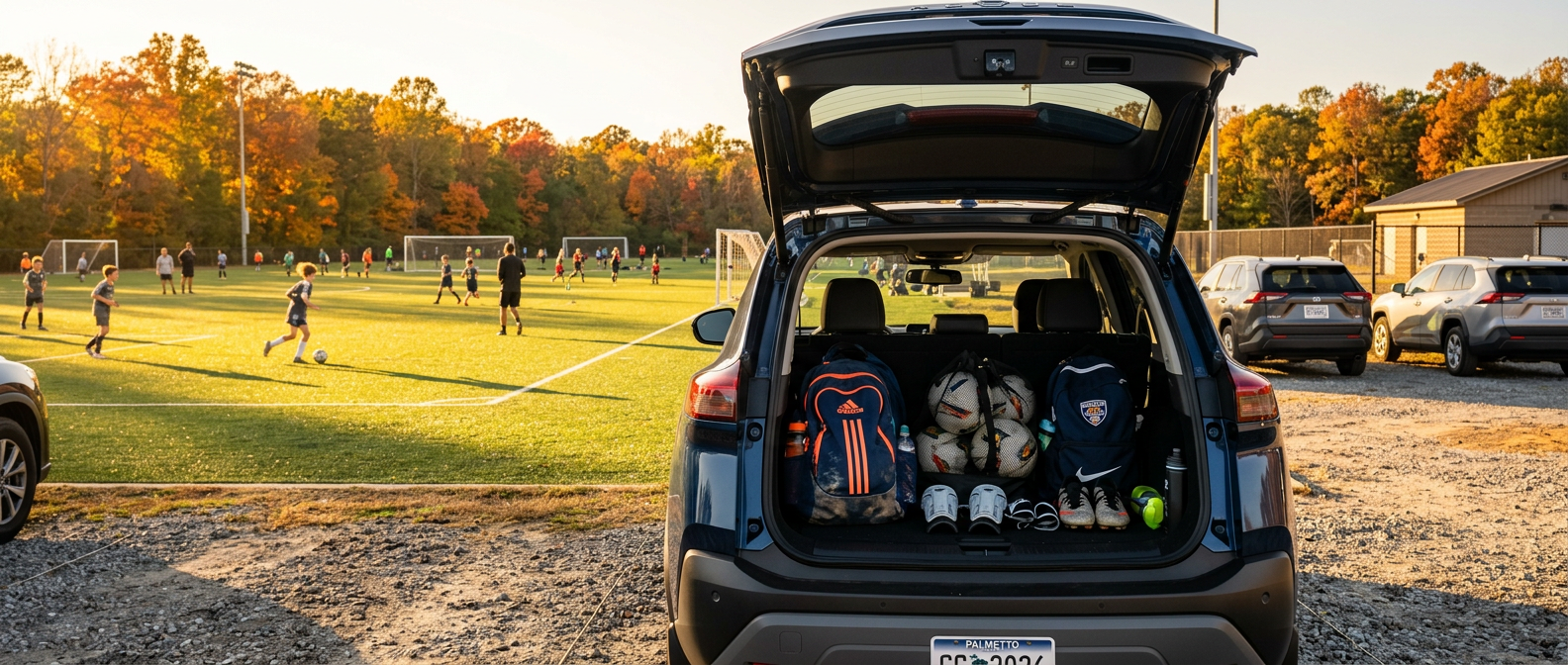
The County Fair run is mostly soft goods and food. Folding chairs, a 70-quart cooler, a popup canopy, and a bag of stuff that somehow grows to three bags on the way back. The 2026 Rogue handles that combination comfortably with the rear seats up. Nissan puts it at 36.5 cubic feet behind the second row, and our team finds that's enough room for the standard county-fair kit without gymnastics at the liftgate.
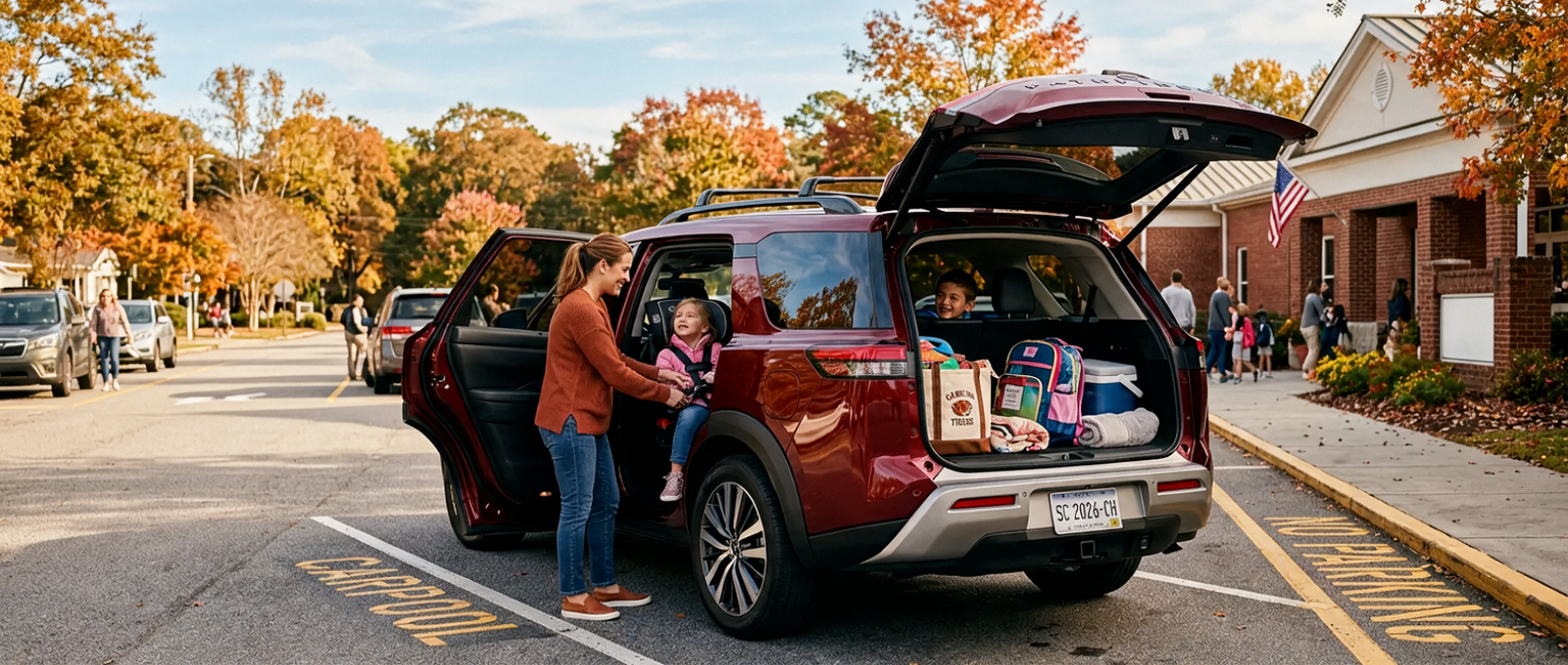
The tailgate setup tells a different story. Six or seven people heading to the stadium together means everyone's in the vehicle, so cargo room shrinks to whatever fits behind the third row. The Pathfinder gives you 16.6 cubic feet back there with all seats occupied. Figure a soft-side cooler and a bag of supplies, not a full grill setup. Fold the third row and you get 45 cubic feet, which handles the grill and the folding table cleanly. The tradeoff is that someone drives separately.
The lake weekend haul is where the math gets real. Paddleboards, two large bags, a cooler, and a tent won't fit behind a third row. The Pathfinder's maximum cargo space reaches 80.5 cubic feet with a 79.8-inch floor run (both figures from Nissan). Longer items like boards and rolled sleeping pads need that flat, unobstructed distance. The spec that drives the decision for families doing overnight trips to Santee Cooper country is sitting right there in the floor length.
Five Steps to Load Your SUV Without Chaos
- Put the heavy anchor in last, out first. The cooler or the grill loads last so it comes out first at the destination. Set it directly against the seatback before lighter items fill in around it.
- Protect the cargo floor. A cargo area liner keeps wet coolers and muddy boots off the carpet. Our accessories team can set you up before the first Fair run.
- Use the Rogue's 60/40 split when you need length. Fold one rear seat section to slide chairs or tent poles diagonally while keeping a passenger seat on the other side.
- Engage the Pathfinder's EZ FLEX seating before you start loading. The second-row seat tips and slides forward in one motion, the way Nissan designed it. Clearing the path after gear is already stacked is a frustrating extra step.
- Distribute weight low and forward in the cargo bay. A heavy load centered low, forward of the rear axle, rides more stable than gear piled high near the liftgate.
Matching the Right Nissan to Your Fall Haul
Explore the 2026 Nissan Pathfinder if your fall calendar runs to group outings, sports carpools to SCSU games, or overnight trips to the Santee Cooper lakes. Three rows, 80.5 cubic feet of max cargo, and a 6,000-pound tow rating when it's set up for towing (Nissan's figure) give you room to grow into this vehicle for years.
See the 2026 Nissan Armada if you're the one the whole extended family follows to every event. The Armada's 8,500-pound tow capacity when properly equipped (from Nissan's published specs) and 97.1 cubic feet of maximum cargo space put it in a different category entirely. Think boat trailer, horse trailer, or large camper. The Armada is a serious vehicle, sized and priced accordingly. The honest tradeoff: if that tow capacity isn't your life, the Pathfinder is a more livable everyday size.
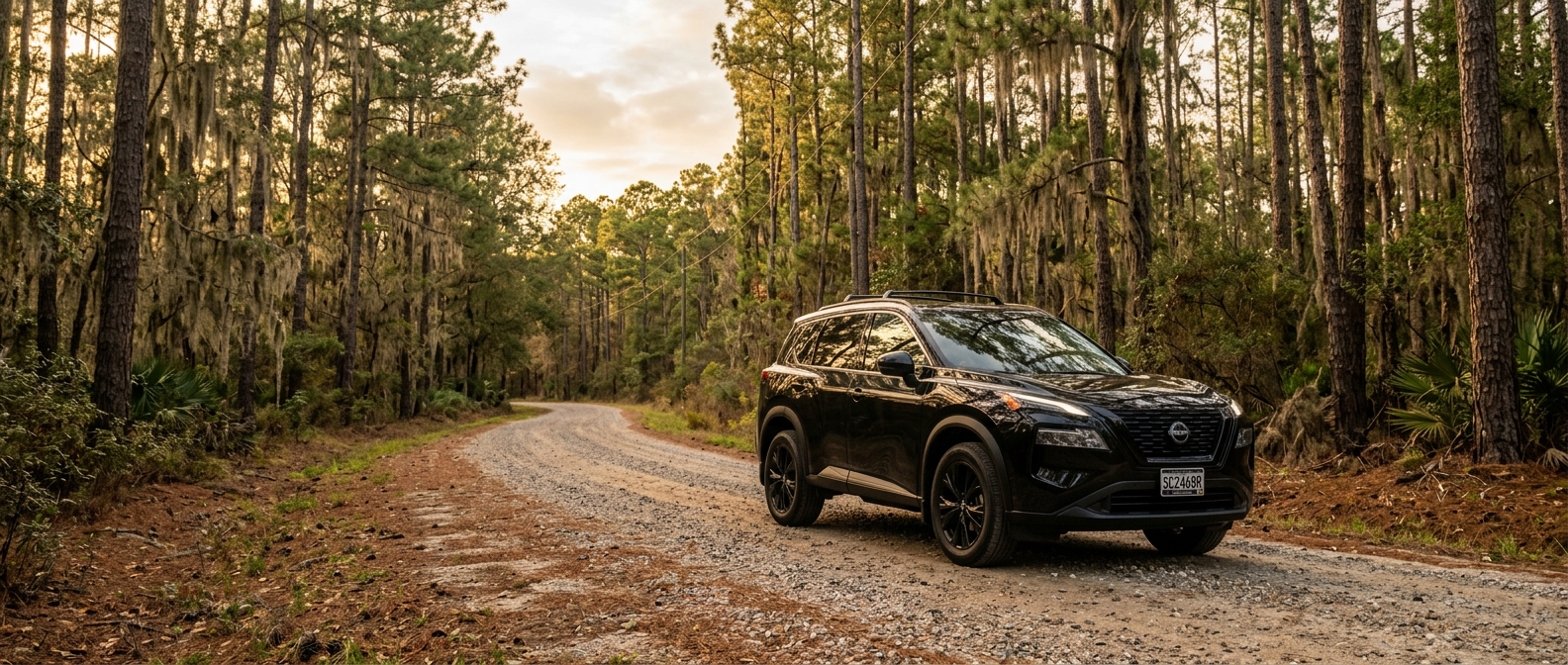
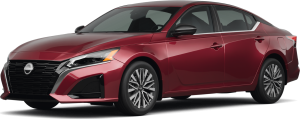
The 2026 Rogue (EPA-rated at 32 mpg combined in FWD trim) is the fuel-smart choice for couples and smaller families who want genuine cargo flexibility without the bigger footprint. The Rogue isn't a compromise here. It's just the right tool for a smaller party heading to the fairgrounds.
Job done. Every cargo figure above comes from Nissan's published 2026 specifications. Verify your specific trim's ratings with our team before your first big load, because tow and payload numbers vary by configuration.
Fall in the Midlands moves fast. If you want to show up to the Orangeburg County Fair with a full load, coordinate a group tailgate, or finally take that lake weekend, let's find the Nissan that fits what you're actually hauling, gear and all.